
The Future of Equine Bodywork
Neuroscience-based 🧠 Somatic Education for horses (and dogs).
The Future of Equine Bodywork
Neuroscience-based 🧠 Somatic Education for horses (and dogs).
FEATURED IN






FEATURED IN
EQUINE HANNA SOMATICS® (EHS)
Nature's Postural Reset
Nature's Postural Reset
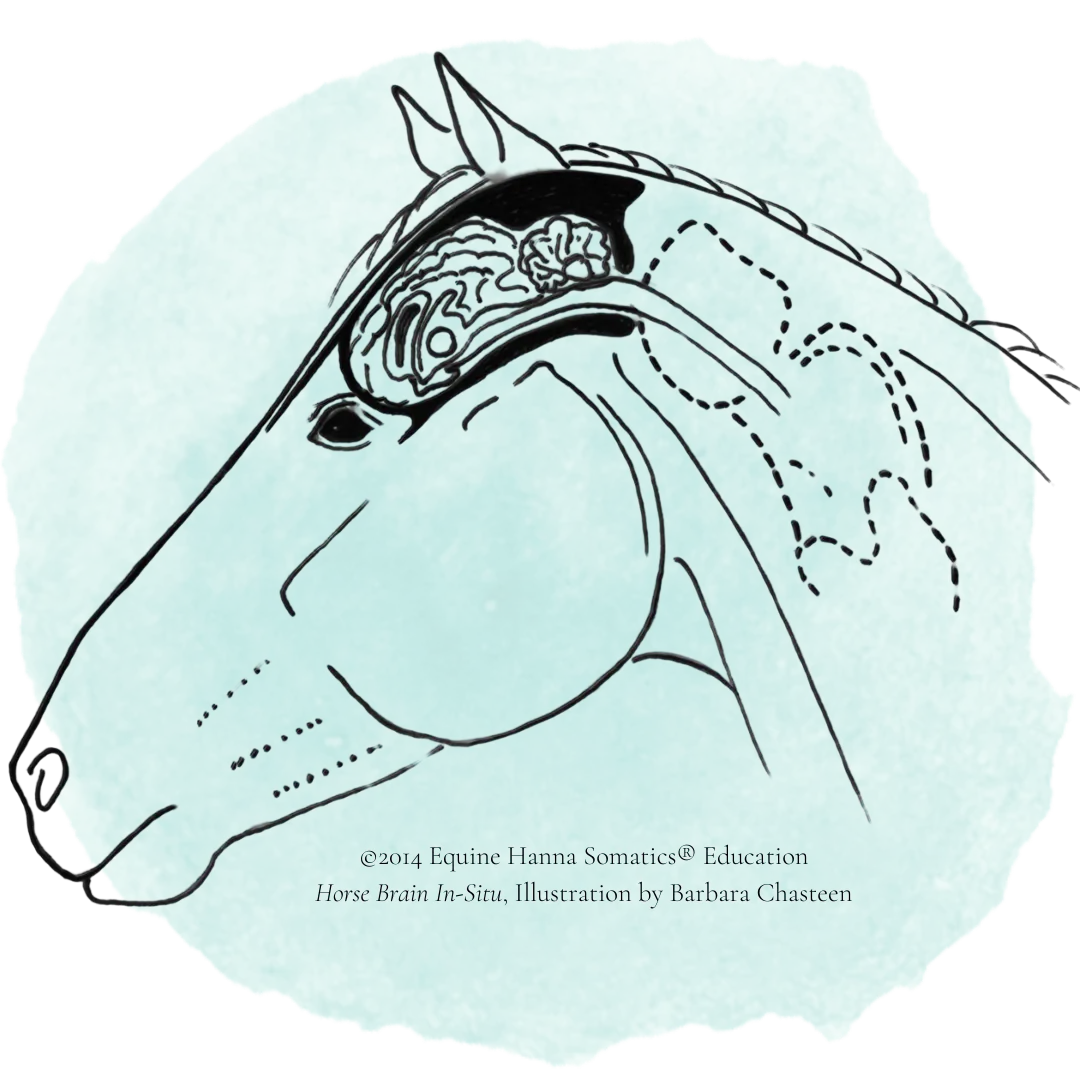
What if you could make your horse feel younger? Or prevent "compensation patterns" from causing pain or persistent crookedness?
Equine Hanna Somatics® (EHS) is neuroscience-based movement education, rooted in a uniquely powerful technique that bridges the body-mind gap to exponentially increase self-organization and movement efficiency, fast.
With the power of Equine Hanna Somatics, you'll help your horse achieve optimum efficiency, balance and range-of-motion, and notice a radical boost in self-regulation, endurance, performance and joyful movement!
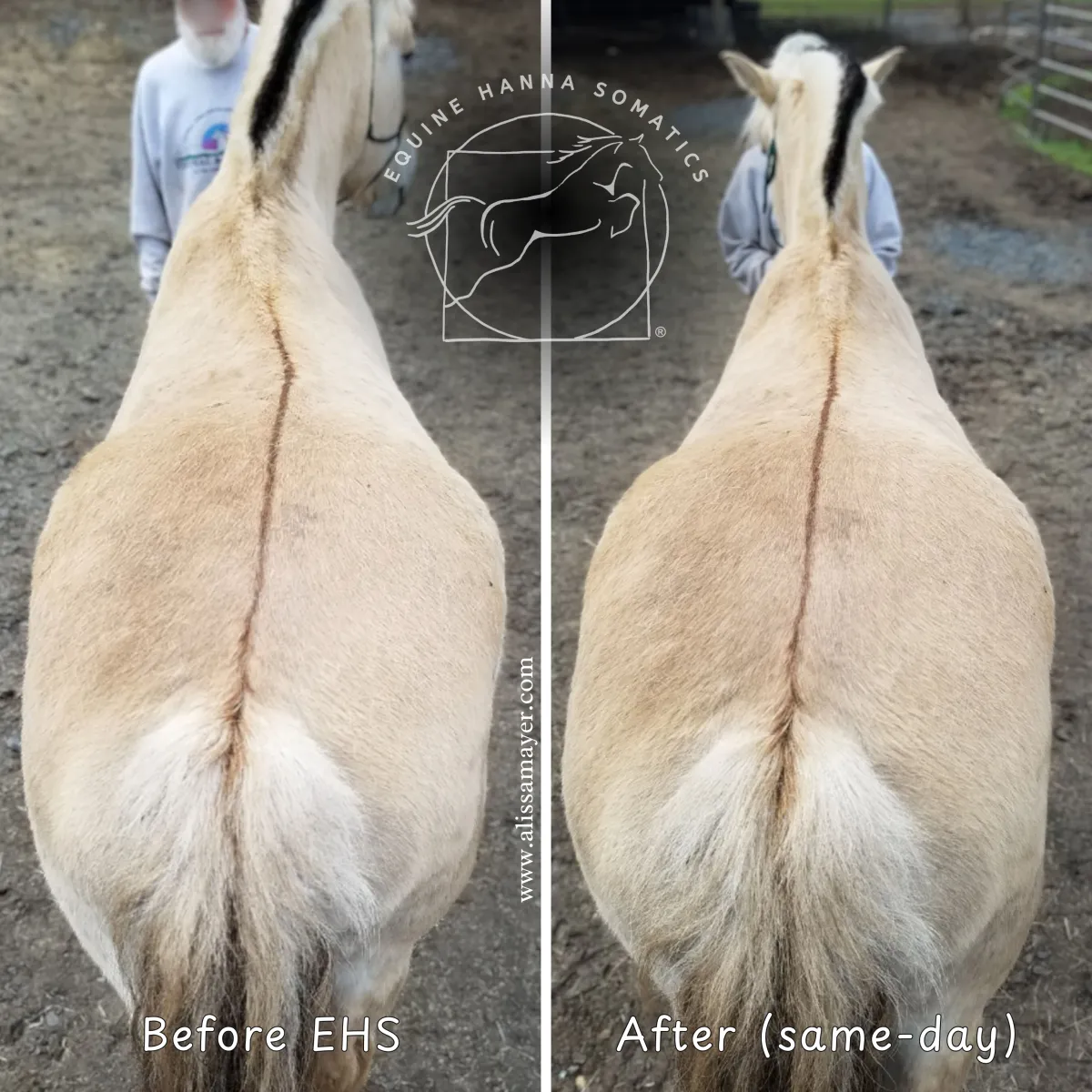
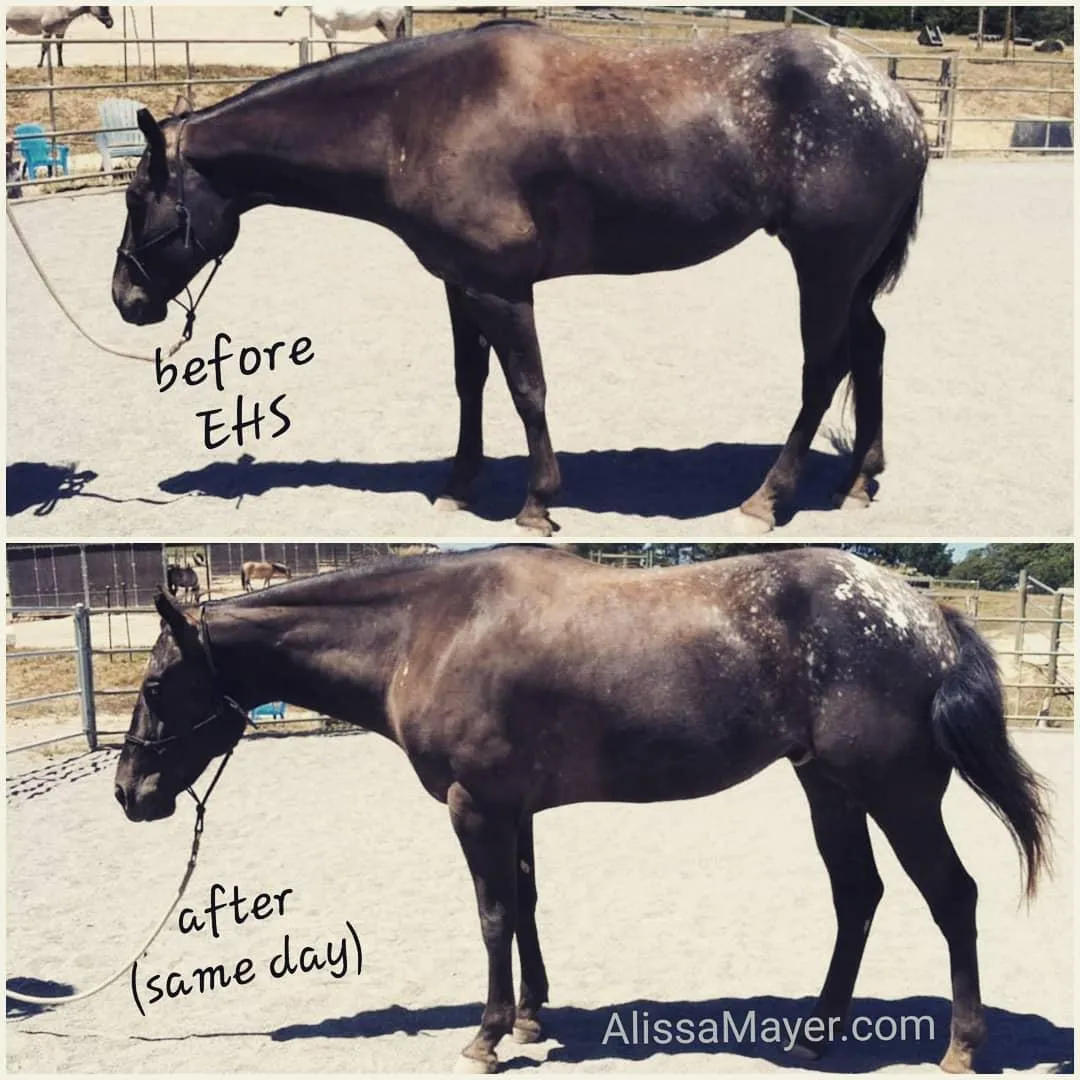
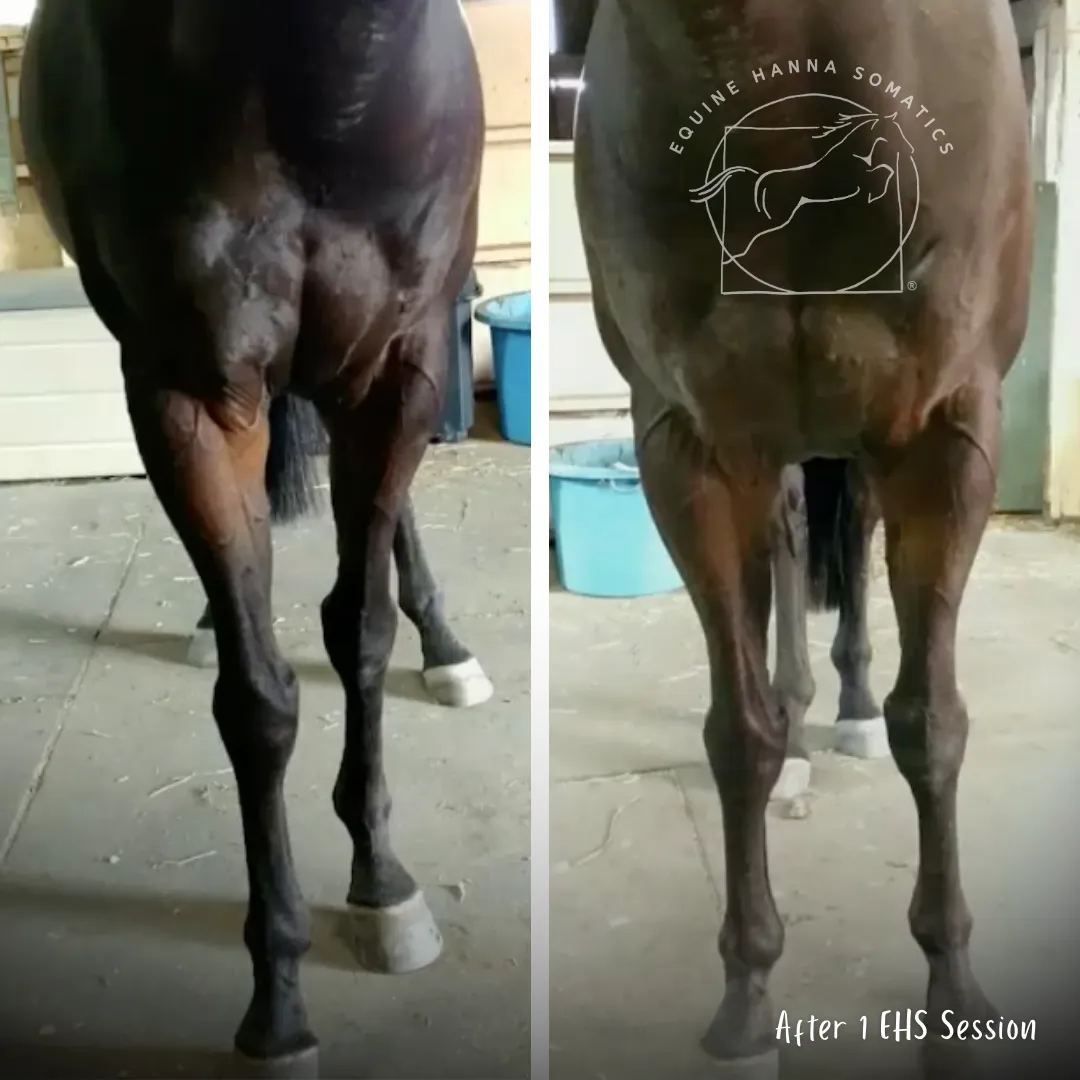
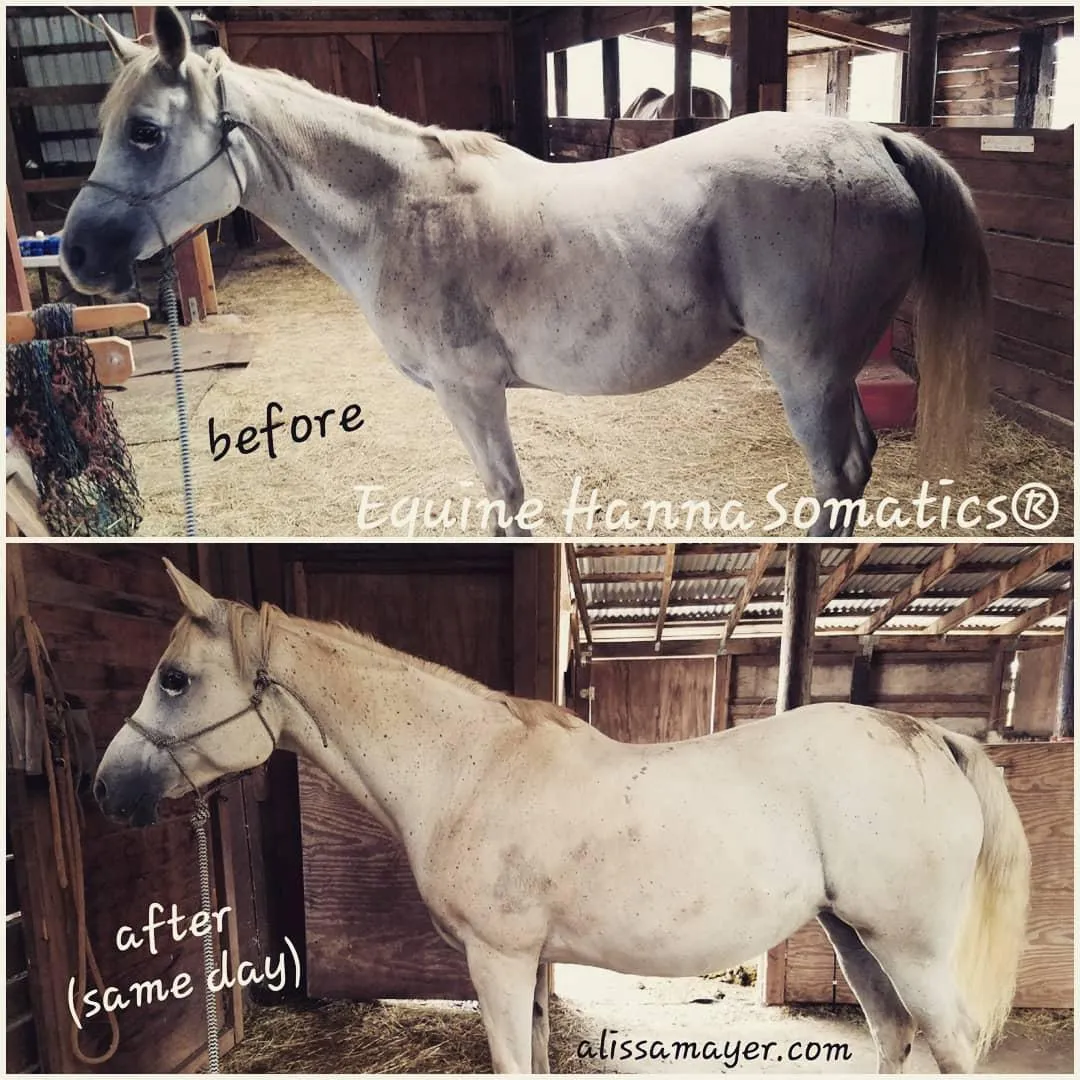
"...a NEW PARADIGM in Horse-First training & wellness!"
Equine Hanna Somatics® (EHS) gives us the tools to SEE and safely ADDRESS the habitual tension at the root of most COMPENSATION PATTERNS, so we can more accurately assess strength, symmetry, soundess or behavior.
Hanna Somatics have changed my life and given me invaluable tools for the horses as well. Thank you Eleanor Criswell - Equine Hanna Somatics is a WONDERFUL tool for helping our horses overcome chronic tension...

A COMPLETE CHANGE IN ONE MONTH!!! Amber came to me with a crooked spine, needing a major adjustment to her Atlas, tight stifle and T6 needed adjustment also. We’ve had 4 successful EHS sessions, and yesterday I was curious about what my bodyworker and chiro might say… Well, to my surprise and I’m thrilled!!! Amber’s spine is no longer crooked! I’m so thankful for what I’ve learned and I’m going to continue including this into my daily routine with each horse.

As a professional bodyworker, I LOVE using EHS to help horses release old postural habits, tensions and restrictions. Not only is it easy, gentle and effortless for both horse and person, but it can get amazing results. You can almost see those new neural connections lighting up!

Help more horses with EHS, while respecting the wisdom and complexity of each individual as an intelligent living organism with thoughts, feelings and a sense of SELF by honoring their lived, FIRST-HORSE experience.
EQUINE NEUROSCIENCE
A new era of 'Nervous System Regulation'
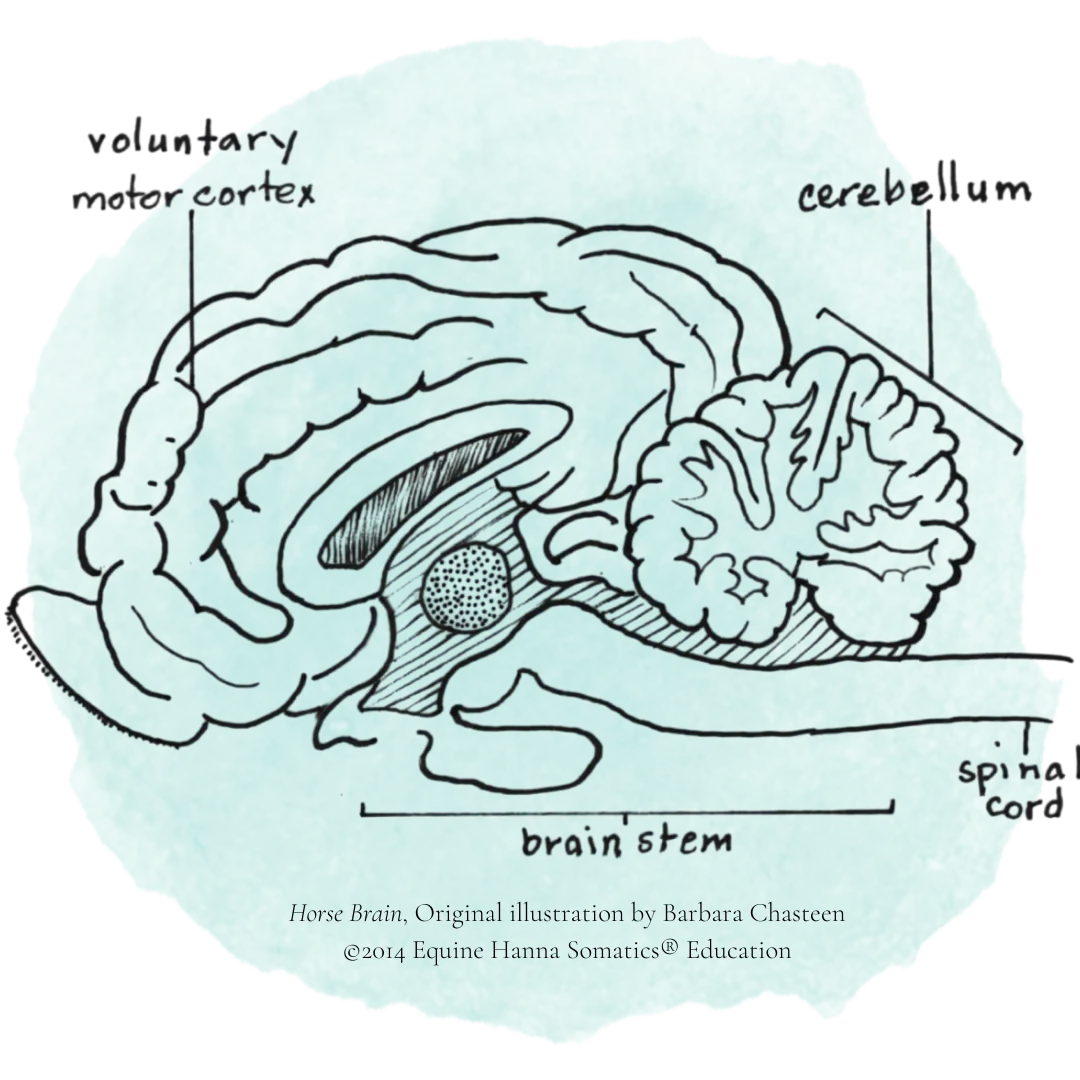
A generational breakthrough in applied neuroscience, Hanna Somatic Education® is the result of extensive research, development, & field testing at the Novato Institute for Somatic Research and Training® from 1975-2024.
We believe in the wisdom of the nervous system, and rather than attempting to re-wire the brain - we can work WITH it to safely facilitate an intrinsic re-learning of each animals natural state of NEUTRAL.
Vetted by doctors, large and small animal veterinarians, elite athletes, equestrians, professional horse trainers and equine behavior experts, Equine Hanna Somatics (EHS) delivers one-of-a-kind access to influencing your horse's habitual tension and ability to self-regulate.
REFERENCES
Cacciatore et al. (2024). Central mechanisms of muscle tone regulation: implications for pain and performance. Frontiers in neuroscience, 18, 1511783. https://doi.org/10.3389/fnins.2024.1511783
Kimberley et al. (2010). Comparison of amounts and types of practice during rehabilitation for traumatic brain injury and stroke. Journal of rehabilitation research and development, 47(9), 851–862. https://doi.org/10.1682/jrrd.2010.02.0019
McGreevy, P. (2012). Equine Behavior, A Guide for Veterinarians and Equine Scientists (2nd ed.) Saunders Elsevier
What makes Equine Hanna Somatics (EHS) so EFFECTIVE?
This work combines proven movement education with an experiential approach that restores balance and relaxation to the horse from within, by going straight to the root of most somatic issues - the central nervous system and the intrinsic ability of an animal to self-organize - to help horses quickly return to and maintain soundness and immediately improve both comfort and performance.
Hanna Somatics shares a lineage with Feldenkrais® and the Alexander Technique®, and is often described as an evolution of Feldenkrais with the addition of the innovative technique developed by Thomas Hanna (and named by Eleanor Criswell): Voluntary Pandiculation.
Equine Hanna Somatics is the only system that teaches you how to STRATEGICALLY harness the profound BENEFITS of a horses natural Pandicular Response to help horses effect rapid and lasting changes to their own baseline levels of myofascial tension from inside their Central Nervous System (vs. working on the tissues, working with the peripheral nerves, or spinal-cord level involuntary reflex arcs, all of which tend to create temporary results).
Voluntary Pandiculation - the Bridge Between Proprioception and Learning
Through gently guided natural movements that invite a horse's active participation, we can engage their Pandicular Response.
By voluntarily engaging the horse's intrinsic Pandicular (motor) Response FIRST, which produces it's own (sensory) feedback SECOND, we are not limited to hoping that the 2% of sensory inputs that become encoded into short term memory (McGreevy) will create a beneficial change in motor output - we can work directly with the parts of the brain that produce and mediate the motor output itself.
The Myth of Postural Control
Chronic tension is a natural adaptive response to stress, trauma and repetitive motion. According to Cacciatore et al, manual therapy, stretching and strengthening or conscious efforts at controlling posture or 'relaxing' do not address the centrally controlled 🧠 nervous system complexities underlying muscle tone... EHS DOES, by engaging a horse's voluntary Pandicular Response.
Neuroplasticity and 'Re-wiring'
Neurons grow with use, atrophy with disuse, AND have the ability to form new connections and 'pathways' that are strengthened with repetitive use. Evidence from animal studies and human trials confirms that task-specific, high-repetition movement training drives cortical reorganization. In fact, Kimberley et al. (2010) suggest 400–600 repetitions per day of a motor task are necessary to induce measurable neuroplastic change.
In Hanna Somatics, by utilizing one's existing neural pathways and natural movement sequences, an individual can restore function, strengthen neural connections and develop improved motor control over areas that have become dormant or deviant, by tapping into their intrinsic pandicular response... with as little as 3 repetitions of each exercise frequently leading to semi-permanent beneficial changes.
REFERENCES
Cacciatore et al. (2024). Central mechanisms of muscle tone regulation: implications for pain and performance. Frontiers in neuroscience, 18, 1511783. https://doi.org/10.3389/fnins.2024.1511783
Kimberley et al. (2010). Comparison of amounts and types of practice during rehabilitation for traumatic brain injury and stroke. Journal of rehabilitation research and development, 47(9), 851–862. https://doi.org/10.1682/jrrd.2010.02.0019
McGreevy, P. (2012). Equine Behavior, A Guide for Veterinarians and Equine Scientists (2nd ed.) Saunders Elsevier
Developed in 1995 by Dr. Eleanor Criswell Hanna Ed.D, Equine Hanna Somatics is a revolutionary approach to reversing and preventing many soundness, training or behavior issues - based on neuroscience, tensegrity and the tendency of all animals to PANDICULATE.
From owners who want a DIY solution, to trainers and competitors across disciplines, to Veterinarians, equine bodyworkers and alternative therapists, this work is increasingly used around the world for rehabilitation, injury-prevention, performance enhancement and overall well-being.
HANNA SOMATICS FOR EQUESTRIANS
LIFE-CHANGING for HUMANS too...
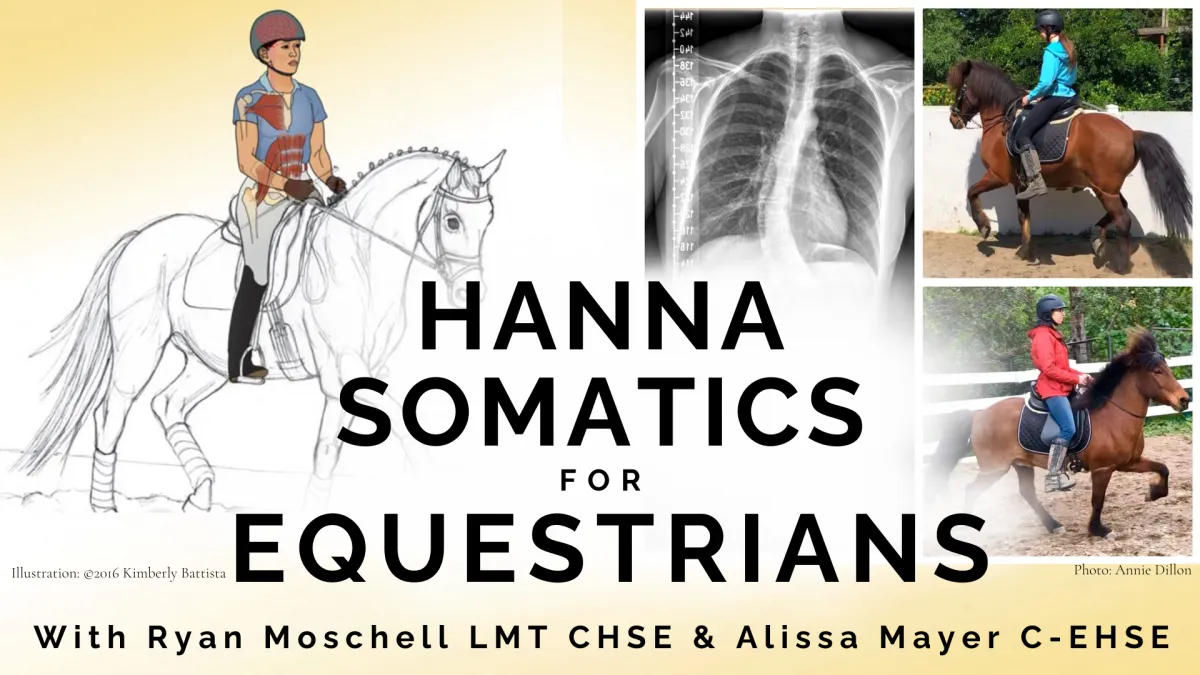
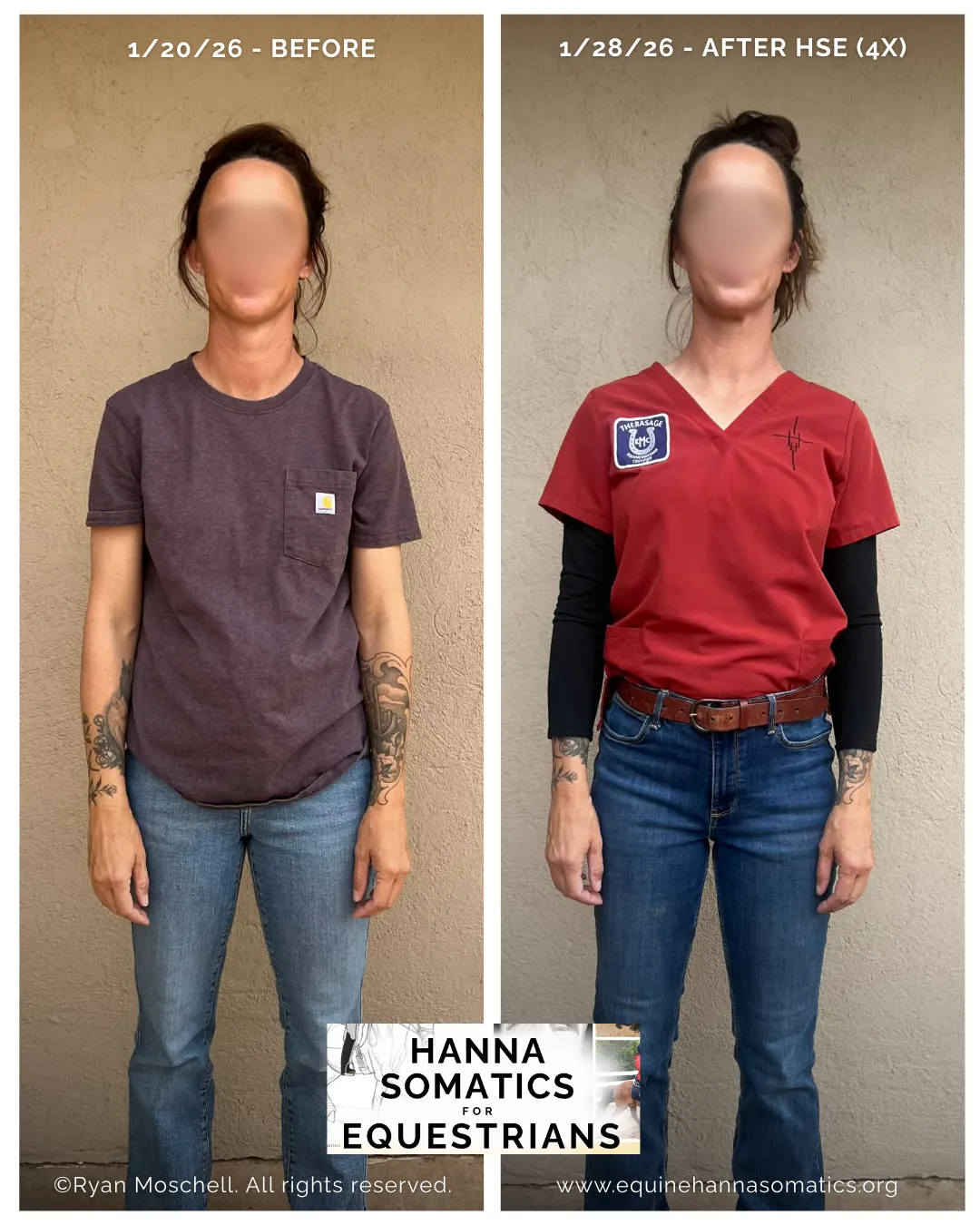
Somatics is also LIFE-CHANGING for HUMANS...
Statistically, more than 80% of BOTH domestic horses AND equestrians suffer from pain (particularly back pain), and despite radical advances in medicine, nutrition and access, these numbers have not improved...
WHY? Because the mind and body are not separate, but too often they are treated as if they are. Typical exams or alternative 'treatments' for horses and humans are mostly focused on the body or biomechanics, while the real 'root-cause' of most chronic pain, poor posture or movement dysfunction is frequently misdiagnosed (or goes undiagnosed) and remains a mystery.
UNTIL NOW.
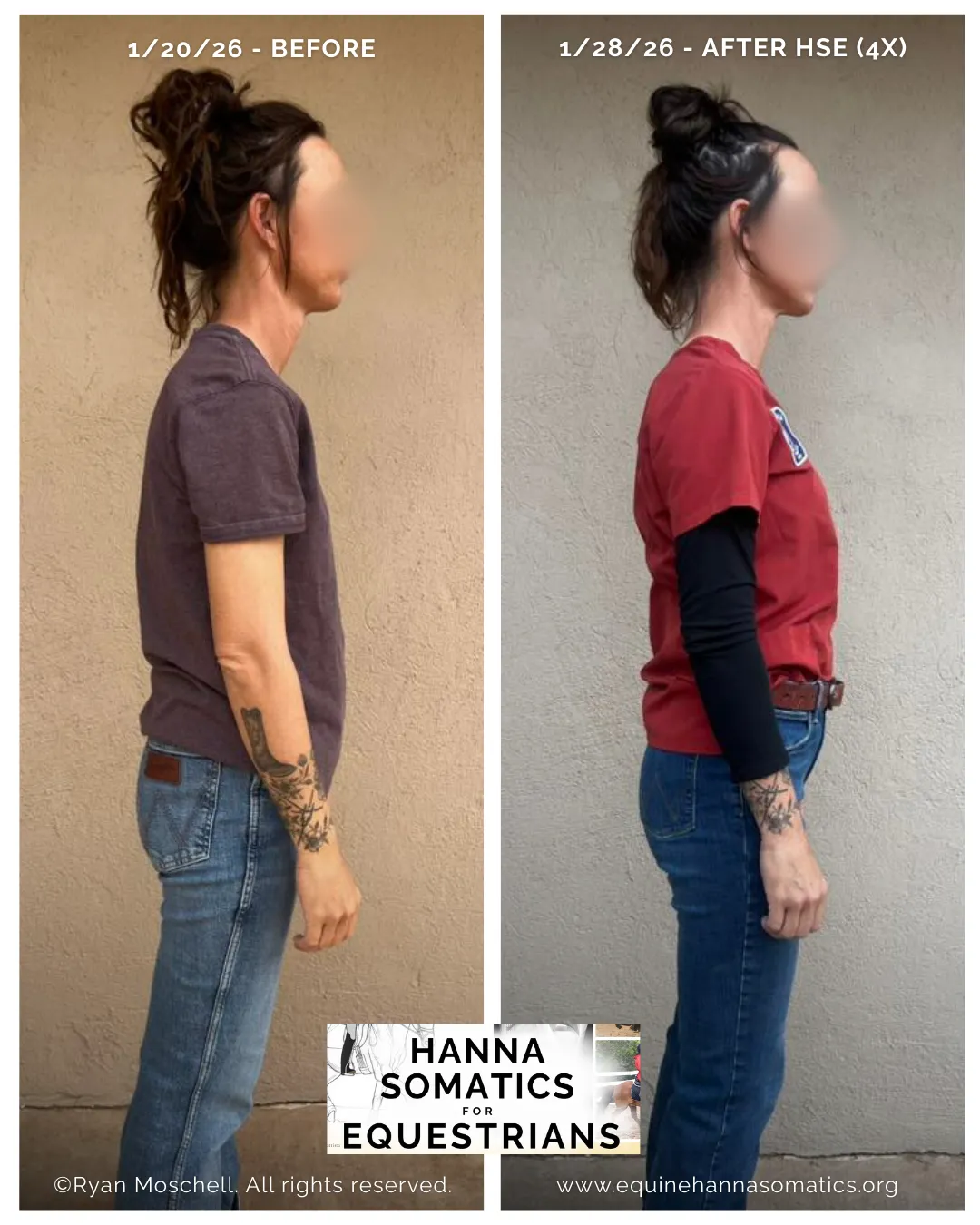
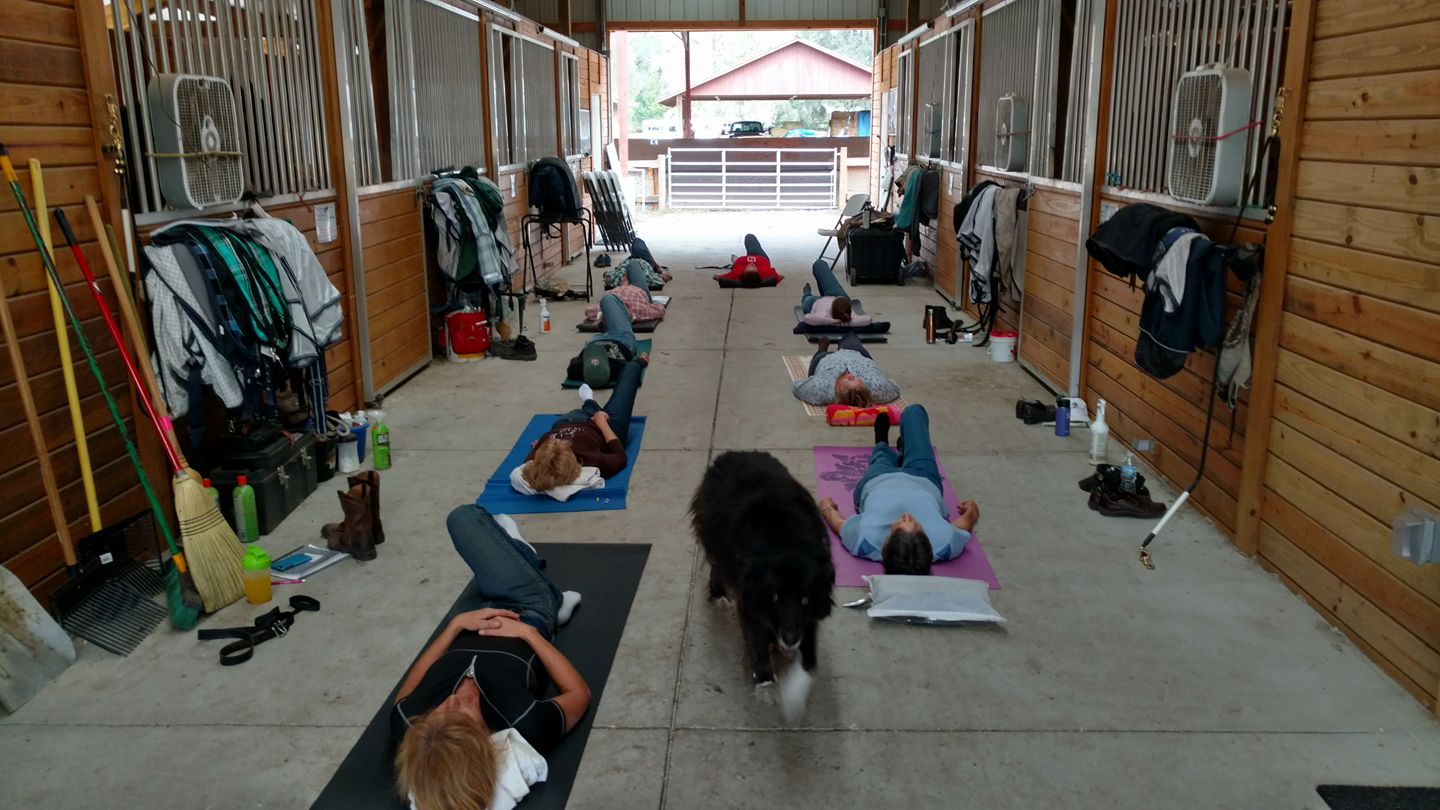
"It is the most advanced system known for relieving chronic disorders which, otherwise, are untreatable by either medical or traditional therapeutic means.”
- Thomas Hanna (1990)
REFERENCES
Contino, E., Daglish, J., Kawcak, C.(2023) The prevalence of lameness in FEI equine athletes and its correlation to performance. Proceedings of the American Association of Equine Practitioners 2023; 69: 369-370.
Duarte, C. R., Raimundo, A., Sousa, J. P., Fernandes, O., & Santos, R. (2024). Prevalence of Lower Back Pain and Risk Factors in Equestrians: A Systematic Review. Sports, 12(12), 355. https://doi.org/10.3390/sports12120355
Huang, Q., & Babgi, A. A. (2022). Effect of Hanna Somatic Education on Low Back and Neck Pain Levels. Saudi journal of medicine & medical sciences, 10(3), 266–271. https://doi.org/10.4103/sjmms.sjmms_580_21
Posner, G. (2022) A survey of Hanna Somatic Education clients. Somatics: Magazine-Journal of the Bodily Arts and Sciences 19(44), 36-40.
Three Ways to Start Learning
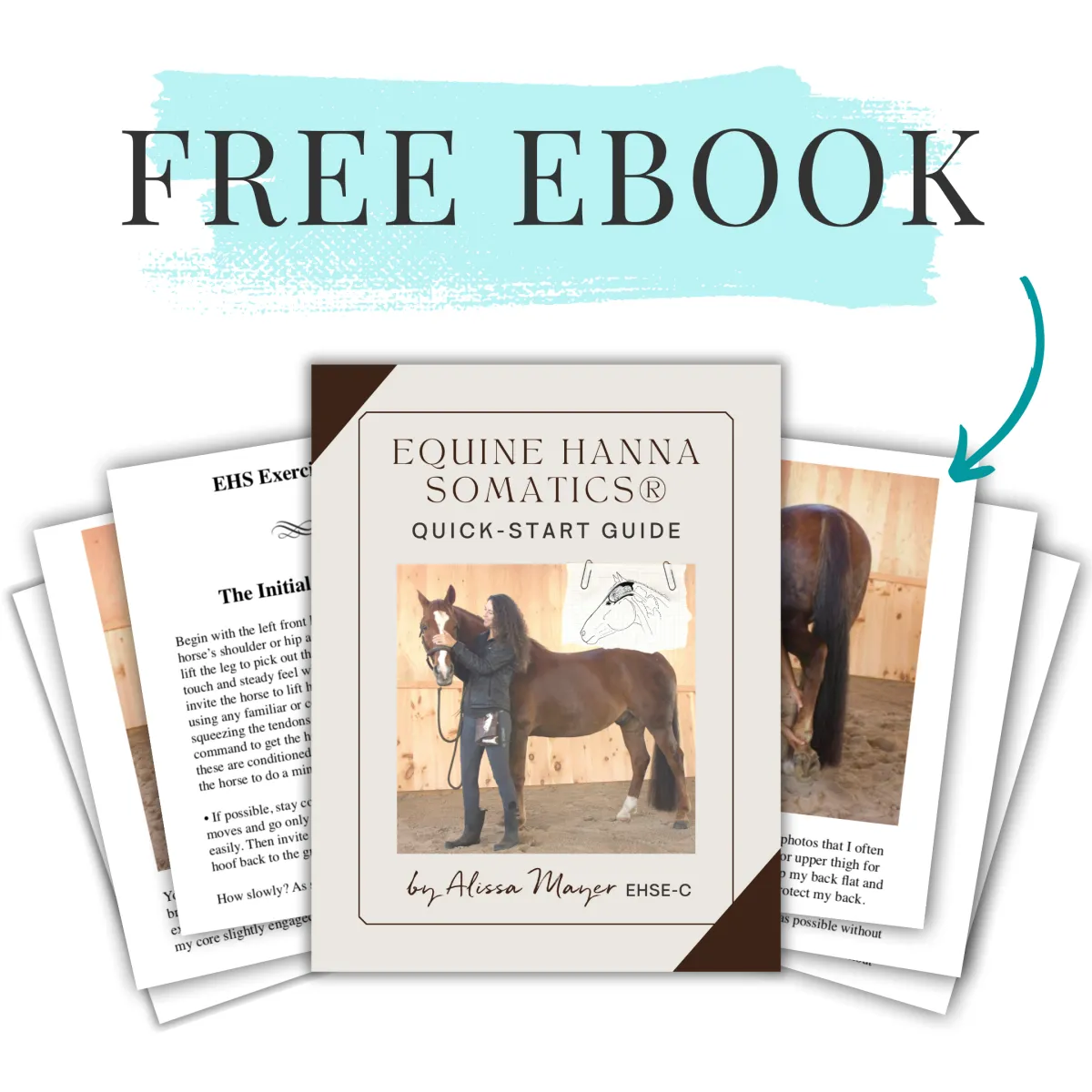
Free EBook
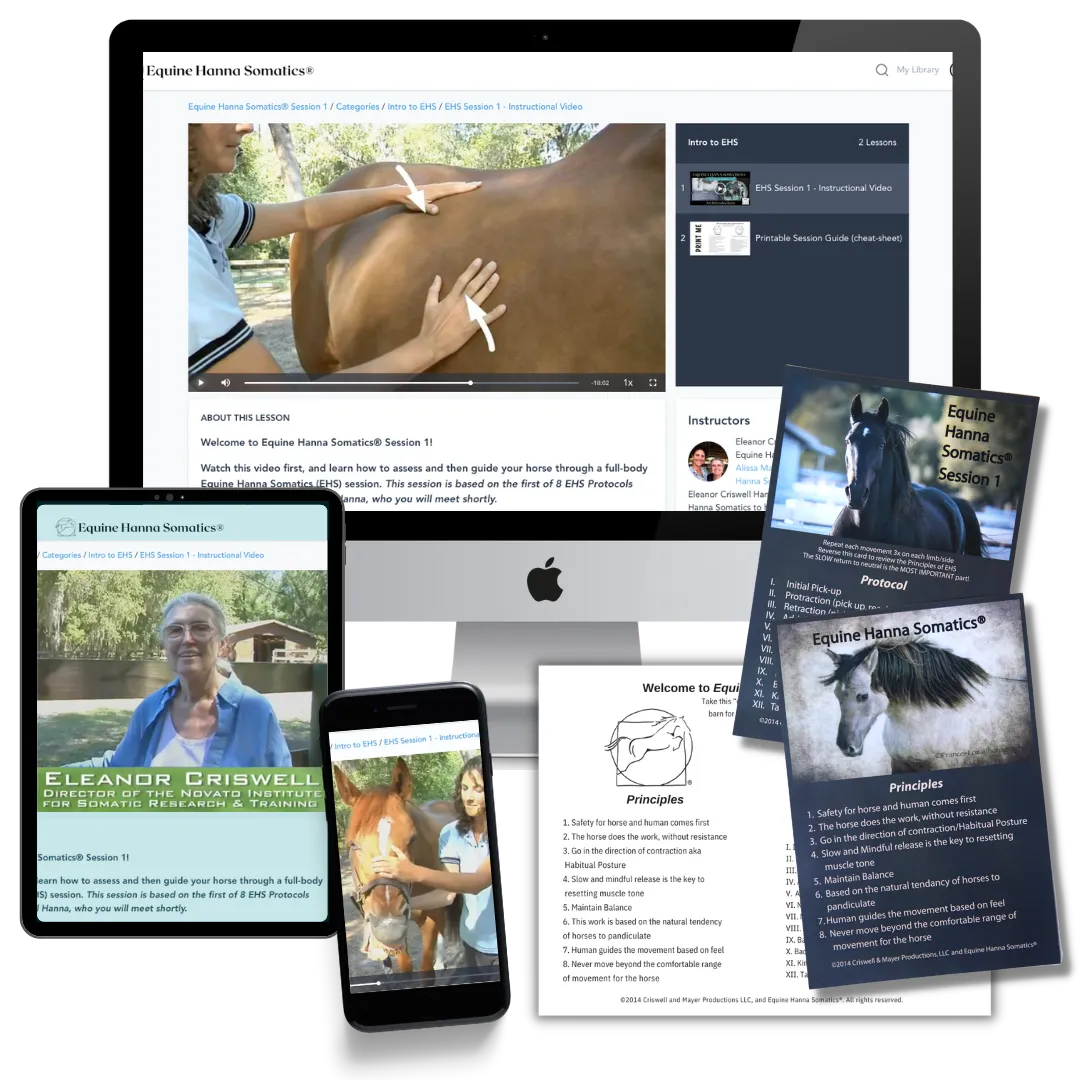
Introductory Online Course
Work with an EHS Practitioner

EQUINE HANNA SOMATICS PROFESSIONAL TRAINING PROGRAM
Professional Training
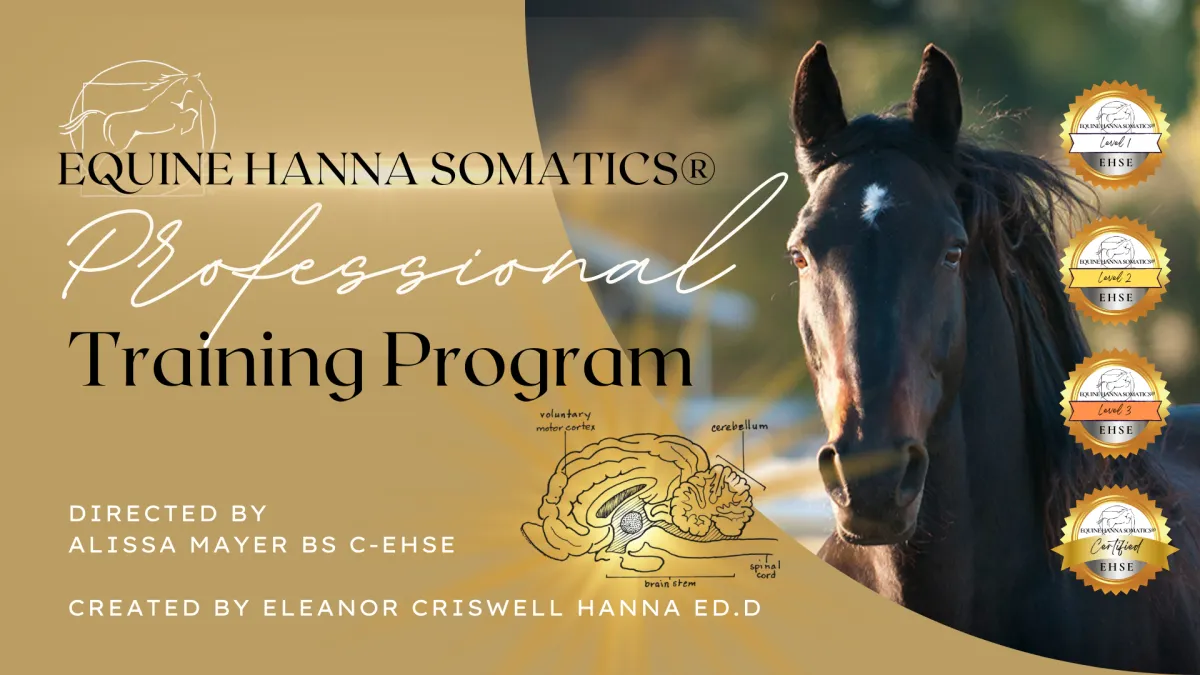
A 2-year/3-module program for equine professionals (vets, bodyworkers, trainers, saddle-fitters, physiotherapists, riders and hands-on horse owners).
Upgrade your toolkit to take your equine practice to the next level, for self-development or jump-start your career helping horses...
EHS is a unique motor-intervention that relies on pure physiology to help the horse achieve optimum efficiency, balance and range-of-motion through enhanced whole-body integration that causes a rapid normalization of resting myofascial tone to RESTORE HEALTHY NEUTRAL POSTURE.
From owners who want a DIY solution, to trainers and competitors in every discipline, to Veterinarians, equine bodyworkers and alternative therapists, this work is increasingly used around the world for rehabilitation, performance enhancement and overall well-being.
MEET YOUR GUIDE
Alissa Mayer
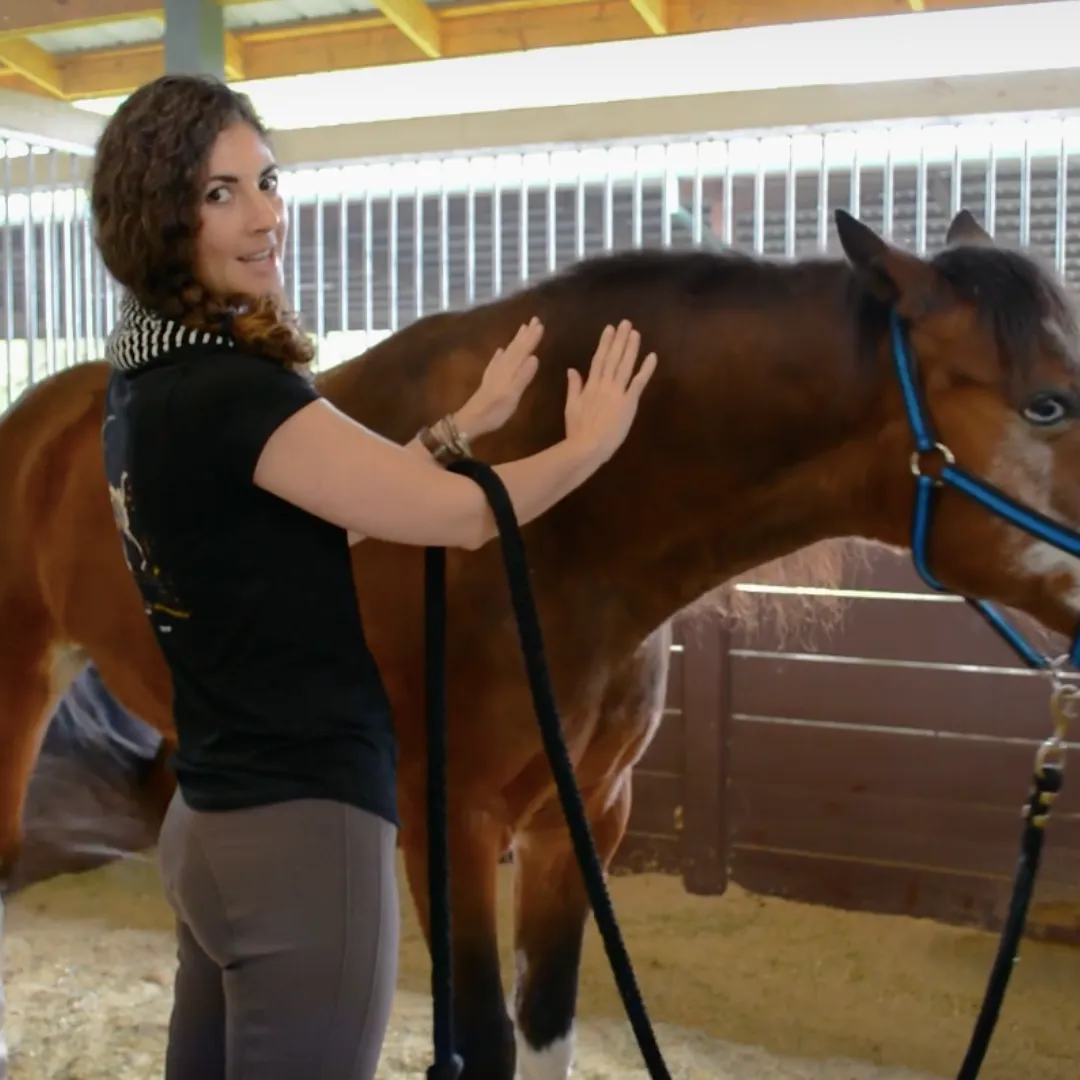
Alissa Mayer BSc(Equine) C-EHSE is the captivating director of Equine Hanna Somatics® Education, author and international clinician, celebrated for her groundbreaking work in horse-first training and Hanna Somatic Education for animals.
Thousands worldwide turn to her neuroscience-backed methods for helping horses and riders excel in sport and live their dreams. Her courses have reached horse-lovers in over 27 countries, and her work has been translated into 4+ languages so far...
Alissa's expertise is highly sought-after by elite athletes, equine professionals, veterinarians and owners, she has been featured in a number of equestrian publications and podcasts, and has taught clinics and classes in-person all around the US, Canada and in western Europe.
Alissa is a graduate of the Novato Institute for Somatic Research and Training.
After 12 years teaching in partnership with Eleanor Criswell, Alissa is now the director of the Equine Hanna Somatics Professional Training Program, where she trains, certifies and mentors practitioners of Hanna Somatic Education for horses and dogs.
Alissa Mayer BSc(Equine) C-EHSE is the captivating director of Equine Hanna Somatics® Education, author and international clinician, celebrated for her groundbreaking work in horse-first training and Hanna Somatic Education for animals. Thousands worldwide turn to her neuroscience-backed methods for helping horses and riders excel in sport and live their dreams. Her courses have reached horse-lovers in over 27 countries, and her work has been translated into 4+ languages so far...
Alissa's expertise is highly sought-after by elite athletes, equine professionals, veterinarians and owners, she has been featured in a number of equestrian publications and podcasts, and has taught clinics and classes in-person all around the US, Canada and in western Europe.
Alissa is a graduate of the Novato Institute for Somatic Research and Training and after 12 years teaching in partnership with Eleanor Criswell, is now the director of the Equine Hanna Somatics Professional Training Program, where she trains, certifies and mentors practitioners of Hanna Somatic Education for horses and dogs.
EHS is not something that can be done TO a horse by the practitioner, but is a voluntary activity that we facilitate. It's a guided conversation we invite a horse to have WITH their own nervous system."
- Ryan Moschell LMT, CHSE
Director of the HSE Professional Training Program, EHS Education Co-Instructor
THIS is how you prepare your horse to be accurately assessed by the saddle-fitter, to be safely adjusted by the chiropractor, handled by the farrier or receive the benefits of massage, to bend easily in both directions and to be more receptive to training conversations...
THIS is how you empower your horse to be more resilient in the face of the unavoidable stress and daily challenges of domestic horse life, so they are less likely to become injured.
THIS is how you honor the wisdom of your whole horse - not just their mind, body or Nervous System, but their complete, self-sensing, self-organizing, self-healing, self-aware being - a SOMA.
THIS is how you help your horse find themselves again, and find joy in movement again - safely, naturally, reliably - and in much less time than you've been taught is possible.
GET THE INTRODUCTORY ONLINE COURSE
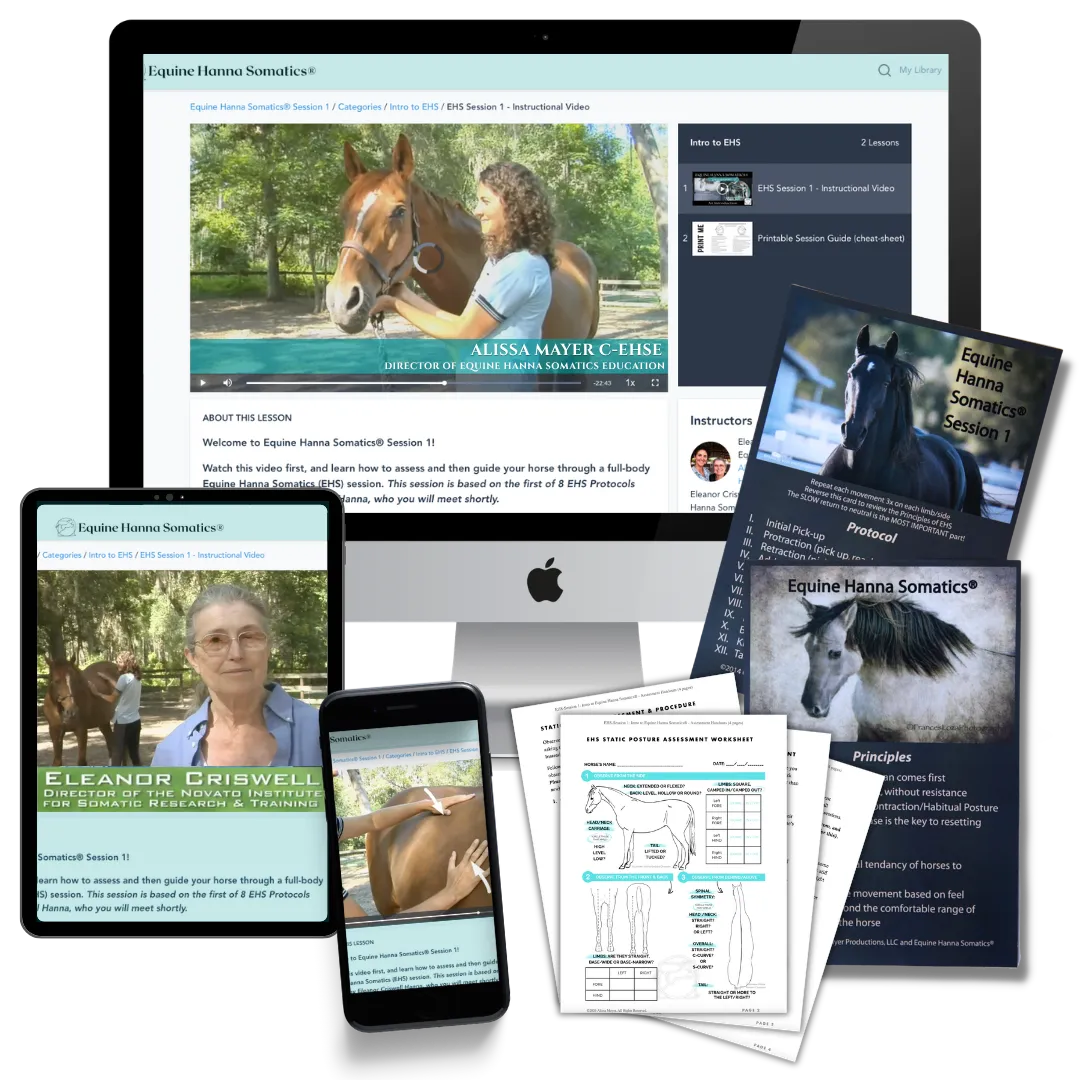
Equine Hanna Somatics - SESSION 1
Watch a full-body Equine Hanna Somatics® session, including pre- and post-session assessments, and learn how to start doing EHS with your own horse, TODAY!
Disclaimer: Equine/Canine/Human Hanna Somatics is not bodywork or manual therapy, and is not a diagnostic or treatment tool. The information included on this website and in any affiliated programs is intended for educational purposes only and is not meant to take the place of professional veterinary or medical advice, may not be current, and is subject to change without notice. We encourage all members of the community to seek guidance from a licensed veterinarian, physician or allied healthcare practitioner regarding specific medical concerns or questions about your own or your animal’s health.
EQUINE HANNA SOMATICS® EDUCATION



INFO
LEARN
LEGAL
©2014-2026 Criswell & Mayer Productions LLC and Feel, Embodied LLC. All Rights Reserved.